After multiple rounds of in vitro fertilization (IVF) and still no positive result, the exhaustion runs deep, physically, emotionally, and in ways that are hard to explain to anyone who hasn’t been through it. What you’re feeling is valid. Every bit of it.
If a quiet question like “Maybe it’s time to adopt?” has started to surface, don’t be too hard on yourself. Considering adoption after IVF isn’t giving up. You are still moving toward the same dream of becoming a parent, just through a different door. This guide is here to help you think through that transition, at your own pace and without pressure.
The Emotional Transition from Medical Intervention to Adoption
The grief of infertility runs deeper than most people realize. It’s not just the loss of a pregnancy: it’s the loss of a future you had been building.
Pausing or stopping IVF treatment is a valid choice. It’s okay to reach a point where continuing no longer feels right for your body, relationship, or mental health.
Before moving from IVF to adoption, the National Council for Adoption recommends taking time to work through a few important areas:
Fully process your infertility. Give yourself permission to grieve before moving forward. Unresolved grief can follow you into the adoption process.
Talk to your partner. Make sure you’re both in the same place emotionally, and that adoption genuinely feels like the right fit for both of you.
Shift to an adoption mindset. Start learning about what adoption actually involves: the differences in parenting, the process, and what to realistically expect.
Be financially prepared. Many families coming from IVF have already made a significant financial investment. Make sure you understand the costs of adoption and feel ready to take that on.
Give yourself permission to sit with the question before you act on it. The transition is emotional, and that’s not something to rush.
Signs You Have Fully Grieved the IVF Journey
Infertility grief doesn’t follow a tidy path. It can look like sadness, anger, numbness, or a constant low-level ache that shows up unexpectedly.
You and your partner may also grieve differently. You may also move through it differently, one of you reaching acceptance before the other. That’s okay, and it doesn’t mean you’re not in this together.
You will not immediately feel that you are emotionally ready for adoption, and that’s normal. But there are some gentle signs you may be moving in that direction:
You feel more curious about adoption than resistant to it.
You can imagine parenthood without it being tied to pregnancy.
Hearing about adoption no longer feels like a consolation prize.
You’re starting to feel small moments of hope again.
You’re able to talk about the IVF experience without the sadness consuming you.
These aren’t checkboxes, just invitations to reflect. There’s no right timeline for grieving infertility before adoption becomes something you can genuinely open yourself to.
Shifting from the Goal of Pregnancy to the Goal of Parenthood
One of the most meaningful shifts in this journey is moving from wanting to be pregnant to wanting to be a parent. They can feel like the same thing, but they’re not.
When you think about the IVF vs. adoption path, the processes look very different. IVF involves medical appointments, hormone treatments, injections, and waiting on test results; a process centered on your body and biology. Adoption, on the other hand, involves a different kind of waiting: building a profile, getting a match, and opening your heart to a child who is already here and needs a family.
The experiences are distinct, and making that shift requires adjusting not just your plans but your mindset. That adjustment can feel disorienting at first. The language is different, the process is different, and the path forward looks nothing like what you had imagined. But the destination—becoming a parent, loving and raising a child—remains exactly the same. When you’re able to hold onto that, the rest becomes easier to navigate.
How to Talk to Your Partner About “Ending” the IVF Cycle
Deciding to stop IVF isn’t something you can rush. Just as you both took time to decide to start treatment, ending it deserves the same care. When cycle after cycle doesn’t bring the result you hoped for, it’s easy to feel lost, stuck, and unsure of what to say or even how to feel.
Grieving infertility before pursuing adoption can look like silence, distance, or simply not knowing how to bring it up. This is exactly where the conversation between you and your partner matters most. When you’re ready, here are a few ways to start:
Approach it as an exploration, not a decision. Instead of “I think we should stop,” try “I’ve been reflecting on my feelings; can we discuss where we both are?” The aim is to understand each other, not to convince anyone.
Share what you’re feeling, not just what you’re thinking. Infertility carries emotional weight beyond logic. Be open about your exhaustion and grief to invite your partner to share their feelings too.
Give each other permission to be in different places. It’s okay if one of you feels ready to explore adoption before the other. Just keep communicating without pressure or a timeline.
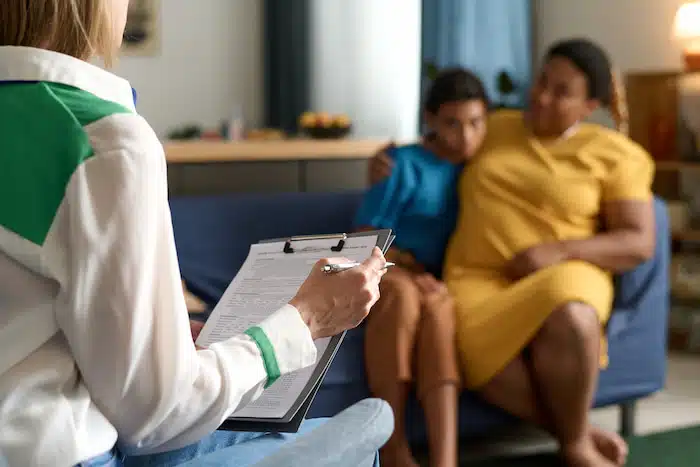
If you find yourselves stuck or moving in very different directions, working with a counselor who understands infertility and adoption can help you navigate the transition as a team, without either person feeling pushed or left behind.
How Open Arms Supports Families in This Transition
Open Arms Adoptions is a licensed Ohio adoption agency that specializes in guiding families through life’s most emotionally complex transitions, including the journey from infertility to adoption.
You can trust us if you are navigating adoption after failed IVF treatments. We approach each family genuinely, so you never feel like just another file on a desk. Here is how we can support you as you find your footing:
Answer your questions without obligation. You can reach out simply to learn, no commitment required, and no timeline to follow.
Help you understand the adoption process at your own pace. We walk you through what adoption actually involves so you can make an informed decision when you’re ready.
Provide clarity on what to expect. From home studies to matching, we explain each step clearly so the process feels less overwhelming.
Connect you with the right resources. Whether you need emotional support, financial guidance, or just someone to talk to, we can point you in the right direction.
You’ve already been through a lot. The last thing you need is to feel rushed into something new. When you’re ready—even just to ask a question—we’re here, and we’ll meet you exactly where you are.
Frequently Asked Questions
Readiness looks different for everyone, but some common signs include feeling genuinely curious about adoption, imagining parenthood outside of pregnancy, and noticing that hope is slowly returning. You don’t need to feel fully healed. Emotional readiness is a gradual shift, not a sudden decision.
Yes, and it’s important to acknowledge it. Stopping IVF is a real loss, and grief is a healthy response. Many families carry grief and hope at the same time as they move toward adoption; the two are not mutually exclusive.
There’s no set waiting period. What matters more than time is emotional readiness, for both you and your partner. Some families move relatively quickly; others take months or years. Give yourselves the space you need, and consider speaking with a counselor if you feel stuck.
This is more common than most people realize. Partners often process infertility on different timelines. Open, patient conversations are key, and if you’re struggling to get on the same page, a counselor who specializes in infertility and adoption can help bridge that gap.
Not necessarily; that’s a deeply personal decision only you can make. Some families pursue adoption while keeping other options open for the future; others feel ready to close that chapter entirely. What matters most is that the choice reflects where you genuinely are, not where you feel you should be.
Finding Peace and Purpose in Your New Path to Parenthood
There is no single right way to build a family. Adoption after IVF treatments isn’t a lesser path; it’s just a different one. Adopting can become a meaningful chapter in your journey, one that may have started with a lot of pain but ends with fulfillment.
Healing and hope can coexist. You don’t have to be fully healed to start asking questions. You don’t have to have everything figured out before you take a single step.
Every family-building journey looks different, and yours is still unfolding.
When you’re ready to explore what adoption could look like for your family, Open Arms Adoptions is here. Schedule a consultation with us.
Reviewed By
Jackie Smigel
Founder and Executive Director, Open Arms Adoptions
Jackie Smigel is the Founder and Executive Director of Open Arms Adoptions, a 501(c)(3) nonprofit adoption agency licensed by the State of Ohio, with offices in Kent, Columbus, and Delaware. She has worked in adoption for more than 30 years and continues to carry her own caseload alongside leading the agency, which places children through infant adoption, foster care adoption, and special needs adoption, and supports expectant parents considering their options. Her work keeping and reuniting sibling groups led AdoptUSKids to recognize her as an Outstanding Caseworker in 2022, on the nomination of a mother she helped adopt three siblings together.
Read More Articles
How to Prepare Your Biological Children for an Adopted Sibling
Keep it honest, simple, and age-appropriate. Tell them a new brother or sister is joining your family, invite their questions, and validate all of their feelings. Match the details to their age, and protect the new sibling’s private story when you talk with others, including children already in your family.
Finding Hope in Adoption After Miscarriage
There is no required waiting period; readiness is personal, not time-based. What matters most is that you’ve had space to grieve and feel genuinely open to exploring a new path. Some families move toward adoption within months; others take years. Both are valid.
Understanding Adoption Rights for LGBTQ+ Parents
It depends on the adoption type, but most finalizations, including joint adoptions, take a few months once paperwork and any required home study are complete. Your attorney or adoption counselor can give you a timeline specific to your situation.
Creating Forever Families
Creating Forever Families Through Adoption
Open Arms Adoptions is 501(c)3 non-profit agency licensed by the State of Ohio.
Our mission is to provide a loving, stable home to every child in need. We work tirelessly to create an environment that embraces the unique set of circumstances each of our birth parents, prospective adoptive parents and children bring to us.