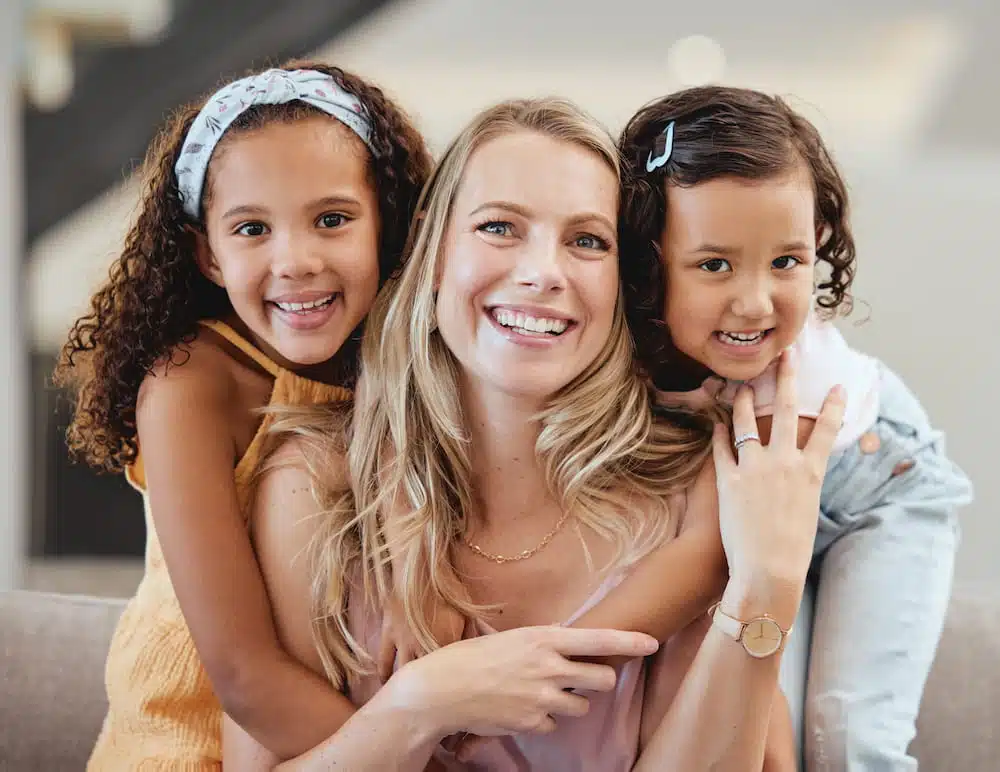
Children adopted through foster care are more likely to have additional medical, developmental, emotional, or behavioral needs than children in the general population.
Becoming an adoptive parent and caring for a child with special needs brings unique and real challenges, but you do not have to figure it all out on your own. Whether you are raising a child already in your home or preparing to welcome another child through adoption, success begins with preparation, practical support, and the right team.
For adoptive families in Ohio, a variety of services and resources may be available to help meet a child’s unique needs. Learning what support is available early can make it easier to prepare for the road ahead.
In this guide, we’ll explore how reliable information, the right support network, and realistic expectations can help you create a safe, loving environment where your loved one can thrive.
Understanding your child’s specific needs
When people hear the term special needs, they often think of physical disabilities. In reality, the term covers a much broader range of developmental, medical, emotional, and behavioral needs. Every child is unique, and they may experience challenges in various ways.
What “Special Needs” Covers
A child with special needs can experience challenges in many areas, including:
Learning and communication
Physical mobility
Sensory processing
Emotional regulation
Behavior
Medical care
Social development
Some children have diagnosed conditions, while others may need added support due to developmental delays or early-life experiences.
Common Types of Special Needs
According to the National Center for Education Statistics (NCES), approximately 15% of U.S. students received special education services under the Individuals with Disabilities Education Act (IDEA) during the 2022–2023 school year. That’s about 7.5 million children with special needs.
Among those students receiving special education services, the most common primary disability categories are:
Specific learning disabilities: 35%
Speech or language impairments: 19%
Autism: 13%
These conditions are more common than many families realize. The good news is that many of these children with additional needs thrive with the right educational, medical, and family support.
Special Needs Caused by Early Trauma
For children adopted through foster care after experiencing abuse or neglect, special needs may also include the lasting effects of early trauma. These experiences can influence a child’s emotional regulation, behavior, relationships, and sense of safety.
Understanding that the behaviors of a special-needs child are often responses to past experiences rather than intentional misbehavior can help adoptive parents respond with patience, empathy, and consistency. With appropriate support and a stable, nurturing home, many children make remarkable progress over time.
Building a daily routine and a home that helps your child feel safe
Children who have experienced developmental delays, sensory challenges, or early environmental instability thrive on predictable structure. A reliable routine supports regulation and reduces daily anxiety by helping children know what to expect throughout the day.
A Sample Daily Structure
Creating structure does not mean enforcing a rigid, militaristic schedule. It means establishing steady anchors throughout the day. Here is an example of a trauma-informed, sensory-aware daily flow:
Time of Day
Supportive Activity
How It Helps
Morning Anchor
Gentle wake-up, review a visual schedule, and follow a consistent breakfast routine.
Creates predictability and helps reduce anxiety during the transition into the day.
After School
Offer a low-stimulation break, sensory decompression time (such as a quiet corner or soft lighting), and a simple snack.
Gives the child’s nervous system time to recover after the sensory demands of school.
Evening Anchor
Keep dinner predictable, use a visual checklist for bedtime routines, read together, and spend quiet one-on-one time.
Helps the child feel safe, connected, and ready for a restful night
Adapting the Home for Sensory and Physical Needs
Simple environmental modifications can make a massive difference in how your home functions for your child:
Visual Schedules: Use picture cards or clear wipe-off boards that show daily steps (e.g., brush teeth → put on shoes → grab backpack) to promote independence without verbal prompting.
Sensory Regulation Spaces: Create a quiet corner with soft seating, weighted blankets, dim lighting, or noise-canceling headphones where a child can voluntarily step away to decompress.
Accessibility: Ensure wide pathways, safe furniture anchoring, and accessible storage for mobility aids or assistive devices if physical disabilities are present.
.
Assemble your child’s care team: medical, therapy, and school
Parenting a child with special needs is not a solo effort. It requires building a dedicated network of professionals who collaborate with your family.
Medical Team
Therapy Team
Education Team
Pediatrician
Occupational Therapy (OT)
Early Intervention (IFSP)
Medical Specialists
Physical Therapy (PT)
Individualized Education Program (IEP)
Speech & Language Therapy
504 Plan Supports
Behavioral Therapy (ABA)
Early Intervention and the IEP
Navigating educational and therapeutic support depends on your child’s age:
Birth to Age 3: Early Intervention (IFSP)
If your infant or toddler has developmental delays or disabilities, Ohio’s Early Intervention program can help. Services begin with an evaluation and are often provided in your home or another familiar setting.
If your child qualifies, your family will receive an Individualized Family Service Plan (IFSP) outlining your child’s goals, services, and supports.
Ages 3 to 21: Public Education and IEPs
As children grow, the support transitions to the public school system. Under the Individuals with Disabilities Education Act (IDEA), eligible children have the right to a Free Appropriate Public Education (FAPE) in the least restrictive environment.
If you believe your child needs specialized instruction or related services, you can request a written evaluation from your local school district. If your child qualifies, the school will develop an Individualized Education Program (IEP) that outlines:
Educational goals
Classroom accommodations
Specialized instruction
Therapy and related services
Progress monitoring
Tailoring education to your child’s needs helps make the learning process more effective.
Choosing Therapies That Fit
Depending on your child’s evaluation, their care team may include:
Occupational Therapy (OT): Helps with fine motor skills, daily tasks, and sensory integration needs.
Physical Therapy (PT): Focuses on gross motor skills, strength, balance, and physical mobility.
Speech-Language Therapy: Addresses communication delays, nonverbal communication devices, and swallowing or feeding challenges.
Behavioral Health Support: Trauma-informed counseling or Applied Behavior Analysis (ABA) to support emotional regulation and positive social strategies.
At Open Arms Adoptions, our certified adoption assessors work with adoptive parents to help identify community resources and build this professional care network long before and after placement day. We are here to offer guidance, not just process paperwork.
Understand the financial and legal support available in Ohio
A common worry for families considering adopting a child with special needs is whether they can afford the ongoing care, therapies, and medical appointments. It is important to know that state and federal financial resources exist specifically to assist adoptive parents in meeting these ongoing needs.
Adoption Assistance and Medicaid
In Ohio, government adoption subsidies and medical assistance help ensure that financial barriers do not stand in the way of a child having a permanent, loving home:
Title IV-E Adoption Assistance: Nearly all children adopted from Ohio’s foster care system meet the state definition of “special needs” due to factors such as age, sibling group status, physical or mental health conditions, or background. This assistance can provide a monthly financial subsidy to help cover expenses, as well as ongoing Medicaid coverage.
Timing Is Crucial: Applications for Title IV-E adoption assistance and monthly subsidies must be processed and completed before the adoption is legally finalized in court.
Medicaid Waivers & Supplemental Security Income (SSI): Depending on the severity of a child’s disability, Medicaid waivers may cover home- and community-based services that standard health insurance misses. Eligible children may also qualify for SSI.
State Grants: Ohio adoptive families may also explore state-level programs, such as the Post-Adoption Special Services Subsidy (PASSS), which provides funding for specialized therapies or intervention services needed after finalization. You can learn more about these resources in our guide on adoption grants and subsidies in Ohio.
Subsidies are determined on a case-by-case basis through negotiation with the placing county agency. Our experienced adoption workers guide families through every step of this administrative process, so you understand what support your child qualifies for.
Care for yourself and build a support network
Caring for a child with special needs demands energy, emotional stamina, and resilience. Taking care of your physical and emotional health is not a luxury or a distraction from your parenting duties. It is a mandatory part of caring for your child.
Respite Care
Peer Communities
Family Balance
Take regular breaks
Connect with others
Protect family relationships
• Scheduled “date nights” or evenings off
• Local parent groups
• Dedicated partner time
• Short-term assistance
• Online support communities
• Individual attention for siblings
Respite and Taking Breaks
Stepping back to rest, recharge, or spend individual time with your spouse or other children is essential to preventing burnout. Utilizing respite is a sign of healthy parenting, never a failure. Respite can be as simple and informal as having a grandparent or family friend babysit for an evening or an afternoon. There are also more formal respite programs offered through foster care and adoption communities.
Finding Your People
Surrounding yourself with people who understand your family’s daily reality is life-changing. Look for:
Local Parent Support Groups: Connecting with local Ohio families raising children with similar developmental or medical needs provides nonjudgmental advice and practical local leads.
Diagnosis-Specific Networks: Organization chapters dedicated to autism, cerebral palsy, rare genetic conditions, or trauma-informed parenting offer invaluable expertise.
Post-Adoption Connections: Open Arms Adoptions helps cultivate peer networks and keeps adoptive families connected long after finalization, providing ongoing support whenever new questions arise.
Taking the Next Step With Open Arms Adoptions
You do not have to figure out special needs care or foster care adoption on your own. Whether you are considering adopting a child with different needs, exploring foster care adoption, or are currently parenting and looking for guidance on resources in Ohio, we are here to support you.
When you feel ready to talk through your options or ask questions in a calm, pressure-free environment, contact Open Arms Adoptions or call us directly at 330-697-4751. We look forward to walking alongside your family.
Frequently Asked Questions
It means adapting daily routines, medical care, therapy, and education to a child’s specific developmental, physical, behavioral, or medical needs. For families who adopt from foster care, it also often means trauma-informed support. The work is ongoing, but a routine, a care team, and outside support make it manageable.
Yes. About 27% of children and youth in foster care have a diagnosed special health care need, compared with 21% of children overall, and at least a third have disabilities. In Ohio, nearly all children adopted from foster care are classified as special needs, most due to the trauma of their early life experiences.
Adoptive parents may qualify for Title IV-E adoption assistance, which can include a monthly subsidy and Medicaid coverage, since nearly all children adopted from Ohio foster care meet the special needs definition. Applications must be completed before the adoption is finalized.
An IEP (Individualized Education Program) is a plan a public school creates for a child who qualifies for special education under IDEA, ages 3 to 21. If you think your child needs support, you can request an evaluation in writing. About 15% of US students receive IDEA services.
Start with your pediatrician for referrals, contact Ohio’s early intervention program for children under 3, and ask your school district about an evaluation. Community respite services and diagnosis-specific support groups fill the gaps. Open Arms Adoptions helps Ohio adoptive families connect to these resources.
Use respite care, lean on your support network, and set aside time for your relationships and other children. Caregiver burnout is real, and stepping back to rest is part of providing good care, not a failure. Peer support groups help you feel less alone.
Reviewed By
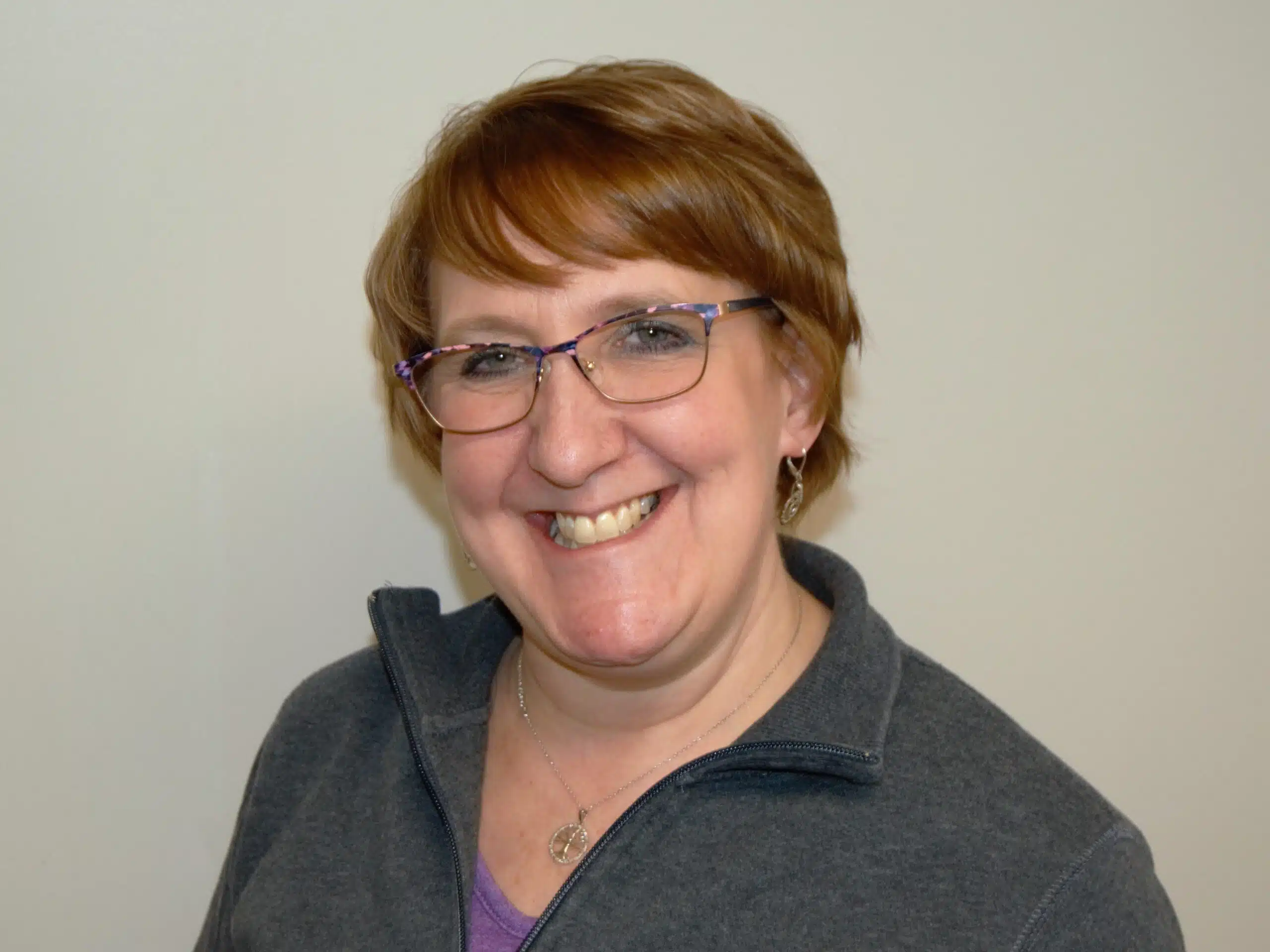
Jackie Smigel
Founder and Executive Director, Open Arms Adoptions
Jackie Smigel is the Founder and Executive Director of Open Arms Adoptions, a 501(c)(3) nonprofit adoption agency licensed by the State of Ohio, with offices in Kent, Columbus, and Delaware. She has worked in adoption for more than 30 years and continues to carry her own caseload alongside leading the agency, which places children through infant adoption, foster care adoption, and special needs adoption, and supports expectant parents considering their options. Her work keeping and reuniting sibling groups led AdoptUSKids to recognize her as an Outstanding Caseworker in 2022, on the nomination of a mother she helped adopt three siblings together.
Read More Articles
How to Prepare Your Biological Children for an Adopted Sibling
Keep it honest, simple, and age-appropriate. Tell them a new brother or sister is joining your family, invite their questions, and validate all of their feelings. Match the details to their age, and protect the new sibling’s private story when you talk with others, including children already in your family.
Adoption After IVF: Knowing When You’re Ready to Start a New Journey
Readiness looks different for everyone, but some common signs include feeling genuinely curious about adoption, imagining parenthood outside of pregnancy, and noticing that hope is slowly returning. You don’t need to feel fully healed. Emotional readiness is a gradual shift, not a sudden decision.
Finding Hope in Adoption After Miscarriage
There is no required waiting period; readiness is personal, not time-based. What matters most is that you’ve had space to grieve and feel genuinely open to exploring a new path. Some families move toward adoption within months; others take years. Both are valid.
Creating Forever Families
Creating Forever Families Through Adoption
Open Arms Adoptions is 501(c)3 non-profit agency licensed by the State of Ohio.
Our mission is to provide a loving, stable home to every child in need. We work tirelessly to create an environment that embraces the unique set of circumstances each of our birth parents, prospective adoptive parents and children bring to us.